
From outbreak to prevention:
A New Way to Fight Viruses
Around the world, scientists are watching for the next potential pandemic to take shape. Climate change, urbanization and global travel make it easier than ever for viruses to make the leap from animals to humans and cross borders and continents. Research teams in labs around the world are racing to stay one step ahead, searching for new medicines that can stop the next outbreak before it spreads.
In VIGILANT – an EU-funded research project – scientists are developing new broad-spectrum antiviral medicines that can save lives even before the virus responsible for an outbreak is known.
One day, medicines developed through VIGILANT could be used to treat patients, protect first responders, and slow or even halt outbreaks before they take hold.


This is the story of the VIGILANT project.


From Patient Zero to Pandemic
Every pandemic begins with one infection: Patient Zero. And from that moment on, a virus can travel across cities, countries, and continents in days. Disrupting that journey early is key to stopping the next outbreak before it starts.
This is the goal of the VIGILANT project.
Our virus watchlist
To understand what we’re up against, we need to look closely at the viruses themselves. Each one tells a story of evolution, adaptation, and opportunity. These are the threats the VIGILANT consortium is working against.










EBOLA VIRUS


Ebola outbreaks have devastated communities and pushed health systems to their limits. Several strains of the virus exist and, so far, researchers have only been able to develop treatment for the Zaire strain. Extending that protection to cover all Ebola strains is one of the goals of VIGILANT.
|
Family |
Filoviridae (Filovirus) |
|---|---|
|
Region |
Central & West Africa (Democratic Republic of Congo, Gabon, Guinea, Liberia, Sierra Leone, Republic of Congo) |
|
Origin & Transmission |
Fruit bats and infected primates; human-to-human transmission via bodily fluids |
|
Target Cells |
Macrophages, dendritic cells, endothelial cells, liver cells |
|
Symptoms |
Sudden fever, weakness, vomiting, diarrhea, internal and external bleeding, organ failure |
|
Case-fatality |
25–90% |
MARBURG VIRUS
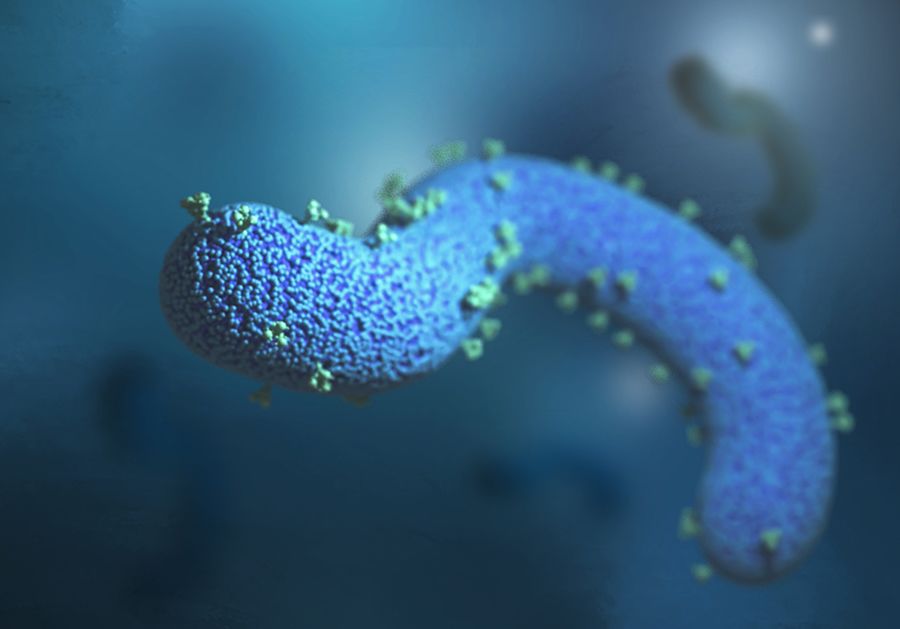
Marburg virus, a close relative of the Ebola virus, causes sudden organ failure. It’s rare, but when it strikes, it’s deadly and there’s still no approved vaccine or anti-viral treatment. That’s why it’s high on the VIGILANT watchlist.
|
Family |
Filoviridae (Filovirus) |
|---|---|
|
Region |
Central & East Africa (Uganda, Kenya, Democratic Republic of Congo, Angola, Ghana, Sierra Leone, Tanzania) |
|
Origin & Transmission |
Fruit bats and infected primates; human-to-human transmission via body fluids |
|
Target Cells |
Macrophages, dendritic cells, endothelial cells, and liver cells |
|
Symptoms |
Fever, headache, muscle pain, vomiting, diarrhea, rash, jaundice, internal bleeding, multi-organ failure |
|
Case-fatality |
24–88% |
CHIKUNGUNYA VIRUS
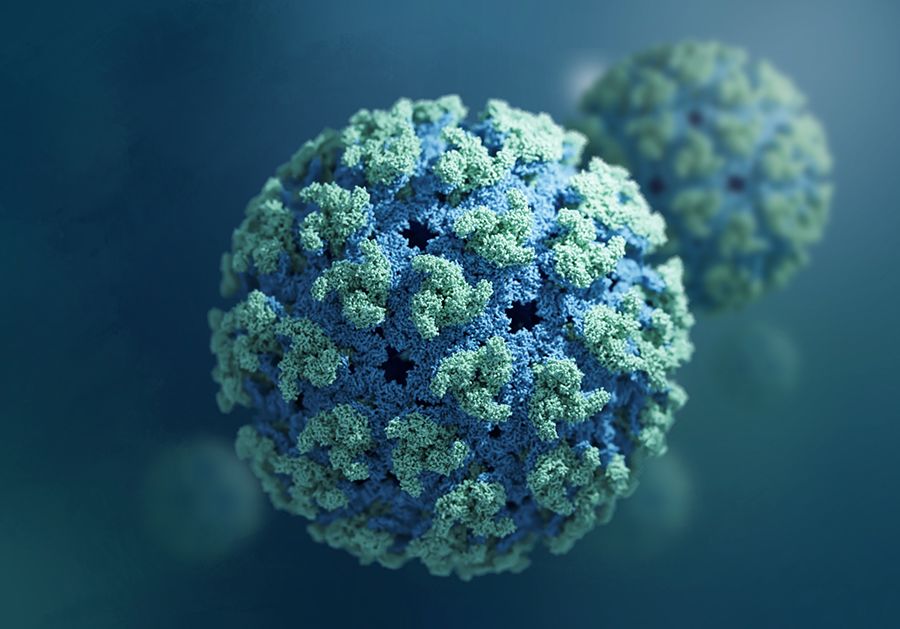
Chikungunya virus turns a mosquito bite into weeks of joint pain and fever. Although it is rarely fatal, outbreaks can severely affect quality of life and overwhelm health services in affected regions. At present, treatment is limited to easing symptoms, which is why preventing infection through new medical approaches is a key goal of VIGILANT.
|
Family |
Togaviridae (Alphavirus) |
|---|---|
|
Region |
Global tropics and subtropics (Africa, South Asia, South America, Southern Europe) |
|
Origin & Transmission |
Non-human primates; transmission via mosquitoes (Aedes aegypti, Aedes albopictus) |
|
Target Cells |
Skin fibroblasts, joint and muscle cells, macrophages |
|
Symptoms |
High fever, severe joint and muscle pain, rash, swollen joints, fatigue |
|
Case-fatality |
~0.1% |
NIPAH VIRUS
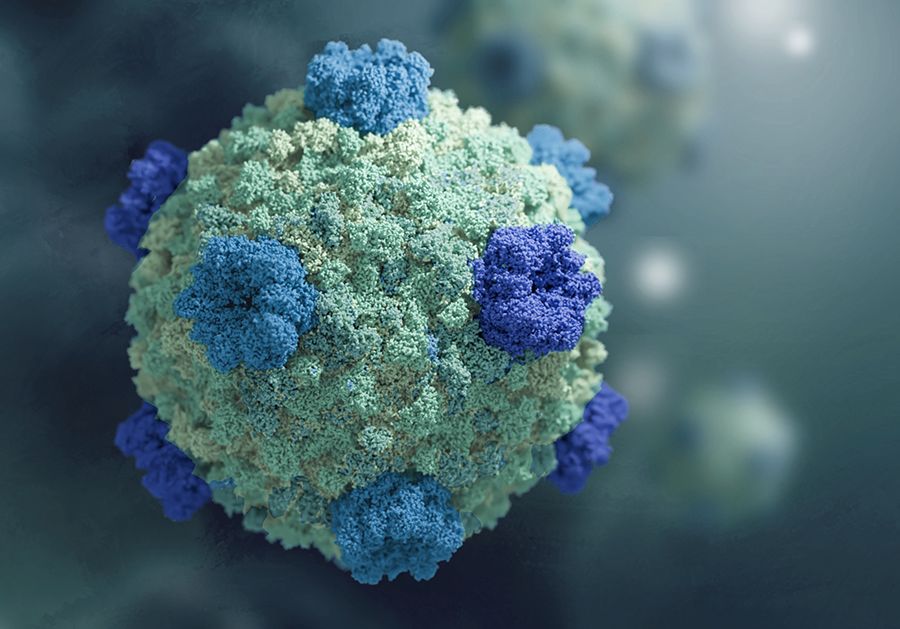
Nipah virus is one of the most frightening pathogens you’ve probably never heard of. Its outbreaks are often severe, causing dangerous brain infections in those affected. There is currently no approved vaccine or anti-viral treatment for Nipah and developing effective protection is one of the aims of VIGILANT.
|
Family |
Paramyxoviridae (Paramyxovirus) |
|---|---|
|
Region |
South & Southeast Asia (India, Bangladesh, Malaysia) |
|
Origin & Transmission |
Fruit bats (Pteropus species); contact with infected pigs or contaminated fruit |
|
Target Cells |
Endothelial and nerve cells; respiratory and immune cells |
|
Symptoms |
Fever, headache, cough, confusion, seizures, brain inflammation, coma |
|
Case-fatality |
40–75% |
ZIKA VIRUS
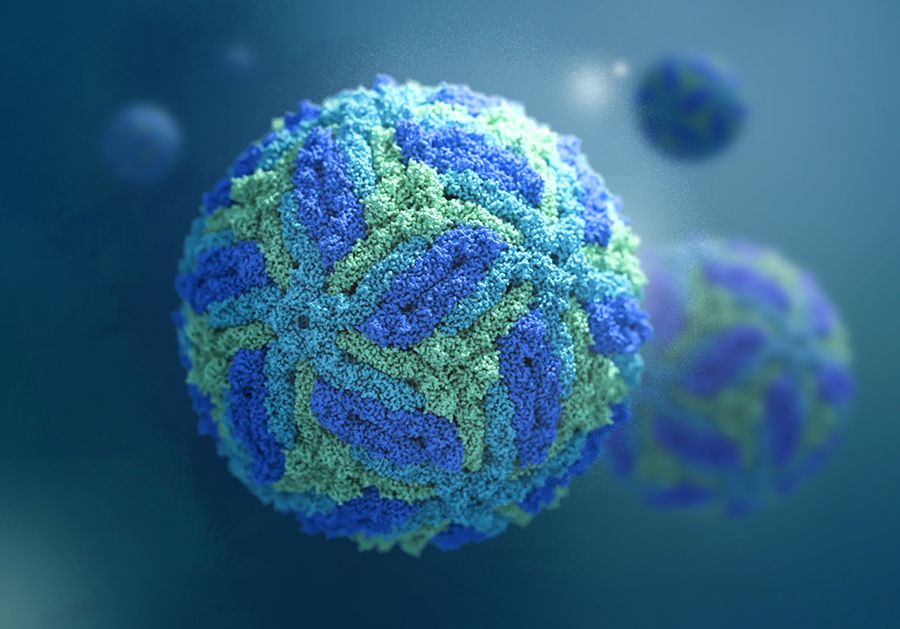
In most adults, Zika virus infection causes only mild symptoms, but during pregnancy it can have devastating consequences for unborn children. Infections have mostly been in tropical regions of the world, but climate change will allow the Zika virus to spread further, so VIGILANT researchers are racing to develop broader protection.
|
Family |
Filoviridae (Flavivirus) |
|---|---|
|
Region |
Africa, Southeast Asia, Pacific Islands, and the Americas |
|
Origin & Transmission |
Mosquitoes (Aedes aegypti, Aedes albopictus); mother-to-child during pregnancy |
|
Target Cells |
Immune cells, neural precursor cells, placental cells |
|
Symptoms |
Mild fever, rash, joint pain, conjunctivitis; can cause fetal brain malformations (microcephaly) during pregnancy |
|
Case-fatality |
<0.1% in adults; up to 14% in unborn children |
VIRUS X


Viruses are constantly evolving. Many unknown viruses already circulate quietly in nature but have not yet crossed over to humans. Others may emerge in humans in the future – shaped by human activities or simple chance. Scientists refer to this unknown threat as Virus X.
What makes Virus X so dangerous is not what we know about it, but what we don’t.
VIGILANT is designed not just to combat known viruses, but also those that have not yet emerged – especially if they belong to a subcategory of RNA viruses. For this, VIGILANT focuses on the shared biological processes these viruses need to reproduce, aiming to weaken future outbreaks without needing to know which virus is responsible.
Virus X is not one virus. It is every virus we have yet to meet.
Building Resilience for the Next Global Shock
GLOBAL CONSEQUENCES
The COVID-19 pandemic revealed how fragile our systems can be. Within weeks, supply chains froze and economies slowed to a halt. Schools closed, hospitals struggled to keep up, and daily life was reshaped almost overnight.
Beyond the tragic loss of life, the pandemic’s cost could be measured in disrupted livelihoods, interrupted education, and eroded public trust. The experience made one thing clear: The ability to contain future pandemics is more than a medical challenge – pandemic preparedness is a societal imperative.
A SHIELD AGAINST PANDEMICS
Behind every antiviral treatment are years of invisible work – cycles of experiments, failures, and refinements. Most antivirals available today only work against a single virus – or a few closely related ones. Scientists within VIGILANT are pooling their knowledge, with the goal of creating broad-acting drugs that can protect against many different kinds of viruses with pandemic potential.
PROTECTING THOSE WHO PROTECT US
With broad-acting antivirals, protection can start with those most exposed. Doctors and nurses on the front lines could be better protected, while patients receive earlier treatment. Used early, these medicines could reduce the strain on healthcare systems and slow the spread of an outbreak before it escalates – and reduce the risk of disruptions like those experienced during the COVID-19 pandemic in 2020.
The course of infection
Understanding how a medication can protect against multiple viruses begins with understanding how a virus works.
Many viruses circulate quietly in animals, unseen and untracked – these are known as zoonotic viruses. As environmental disruption, global travel, and climate change bring humans and animals closer together, the chances of one of them crossing into humans continue to grow.
In humans, these viruses may cause disease, with sometimes devastating consequences. Infection begins long before we may notice it. Common early symptoms – like fever, fatigue, and pain – are just the visible signs of a microscopic battle already underway.

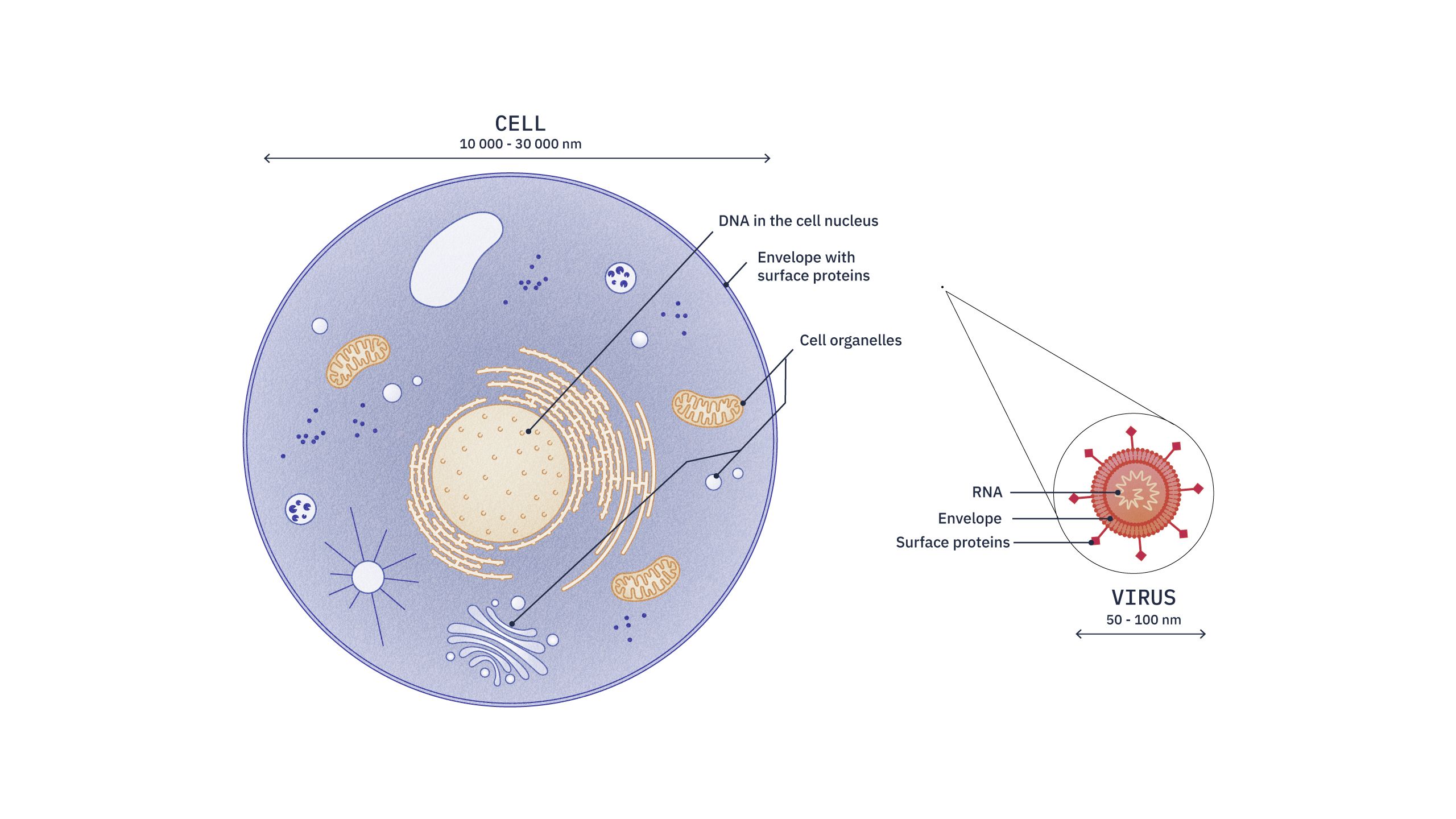
A virus is not alive in the way we usually define life. It is a strand of genetic code – often RNA – wrapped in a shell of proteins. It cannot grow, move, or reproduce on its own.













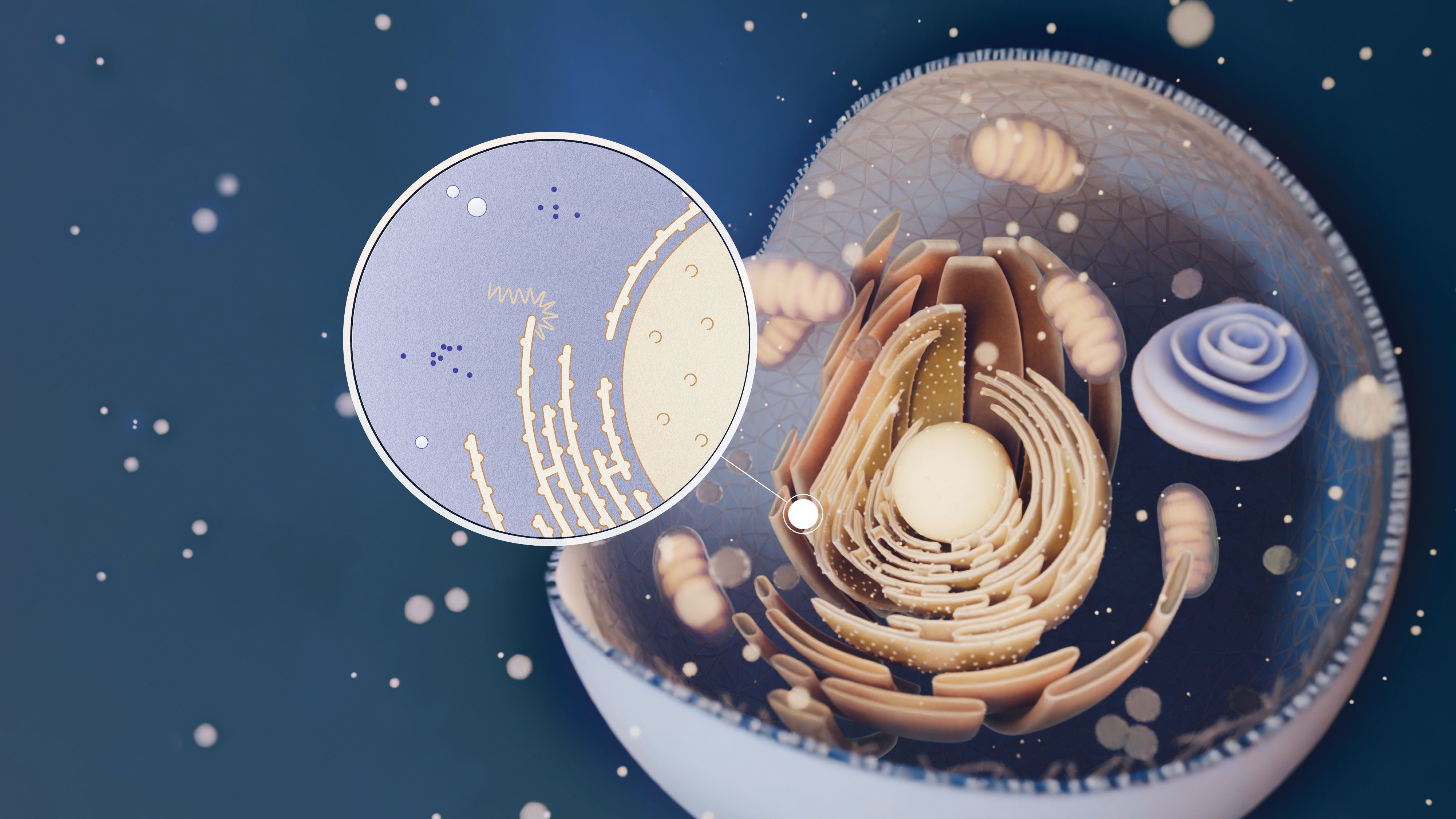

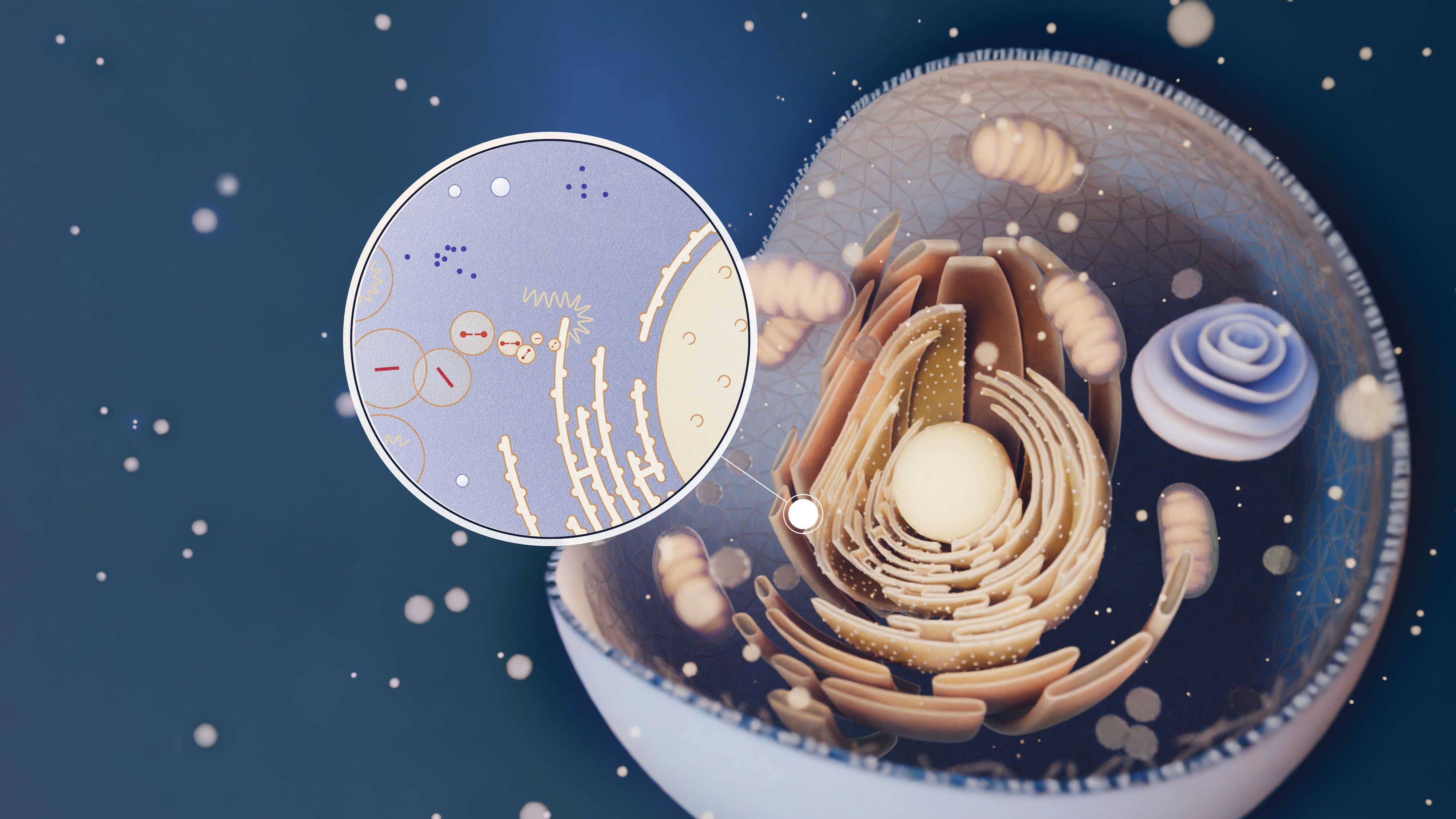

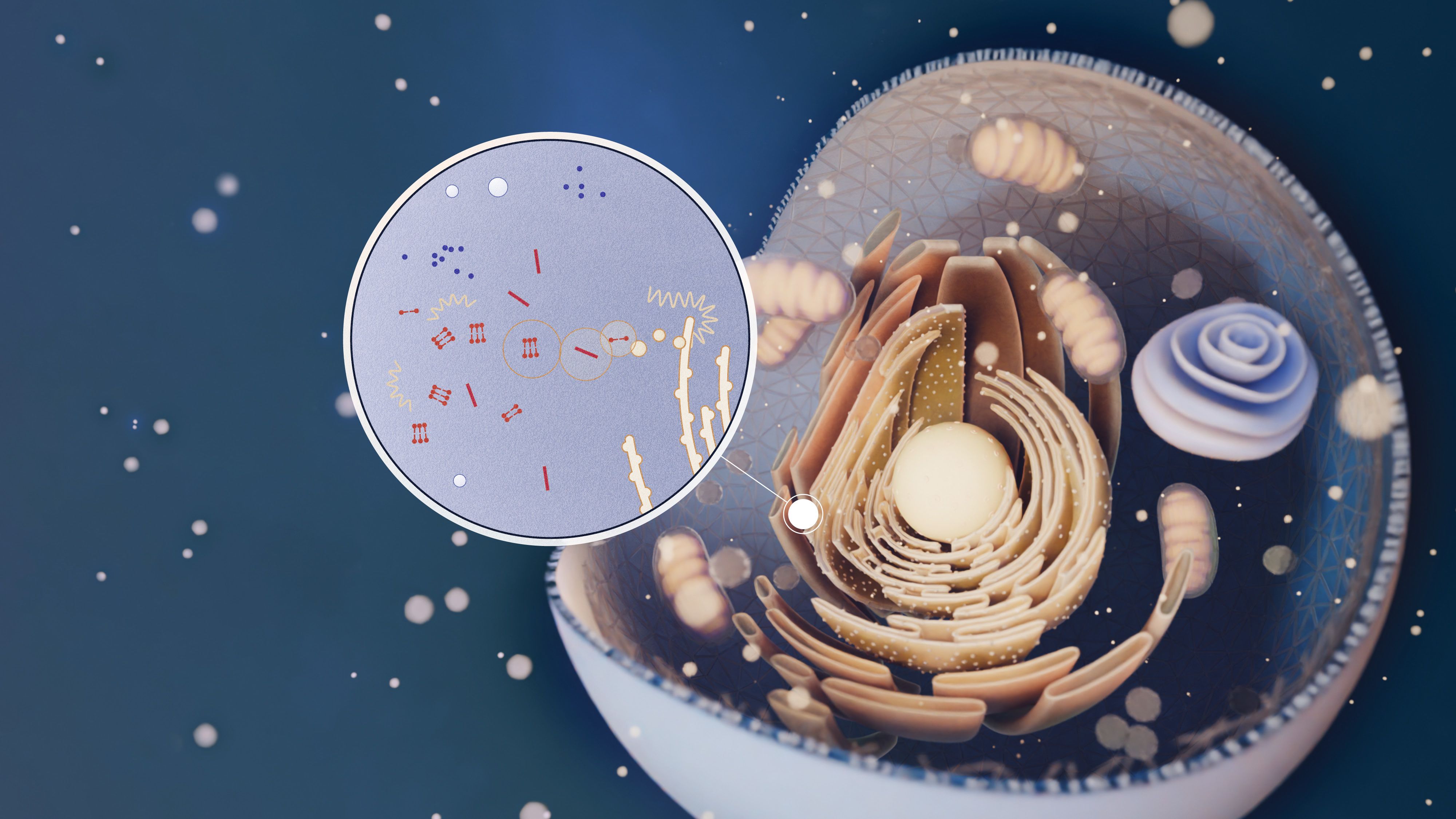








The virus must find the right host, the right cell, and the right moment to begin its journey.
The right cell is one where tiny proteins on the outside of the virus – its “keys” – match specific receptors on the cell – the “locks.”
If the key fits, the virus is able to attach to the cell. Step by step, it strengthens this connection through a series of tiny molecular interactions and moves closer to the cell membrane. This is where true infection begins.
Once inside, the virus unloads its genetic material and hijacks the cell’s inner machinery, turning it into a factory that produces hundreds or even thousands of new viral particles.
Working with Cellular Biology to Protect the Body
The scientists working on VIGILANT are focusing on disrupting the viral invasion of cells – not by targeting the virus itself, but by targeting the cellular functions it relies on.
By focusing on the cellular mechanisms that RNA viruses exploit to reproduce, VIGILANT has the potential to protect against multiple different viruses using a single approach.
Stage 1: Blocking the takeover
In the case of viruses like Zika and Chikungunya viruses, VIGILANT aims to temporarily disable cellular functions that the virus relies on to reproduce but that the body can either compensate for or do without.
This makes the cell an inhospitable host: The keys can unlock the door, but it leads to a dead end.
This leads to either stopping the virus from being able to replicate itself or producing copies of the virus that are incomplete, defective – and unable to infect other cells.
Stage 2: Blocking the keys
Other viruses studied by VIGILANT do not arrive with fully functional keys. Instead, they carry “proto-keys” that rely on the host cell to become active and make the virus infectious.
VIGILANT aims to interrupt the cascade, blocking the final molecular handshake needed to let the virus inside.
The key reaches the lock – but it's missing the teeth needed to turn it.
VIGILANT also goes one step further
Interfering with the virus’s ability to access the parts of the cell it needs to finish building its keys. Without that access, the virus cannot complete the structures required to infect new cells.
By understanding how viruses work at a cellular level, scientists from VIGILANT are finding ways to block infection before it begins or stop it early in its journey.
One day, doctors heading into outbreak zones – including Ebola treatment centers – could use medicines developed through VIGILANT preventatively to protect themselves, while also using it as a treatment for infected people to slow the spread of a virus in an outbreak, all before knowing which virus is responsible.
VIGILANT: Developing next generation medications
Hypothesis and Active Biochemical Compound Development
The process begins with a question: Where is the virus most vulnerable?
Scientists then develop and test theories about how to interrupt the virus’s life cycle, designing molecules that block the formation of the viral shell or the key proteins it needs to reproduce.
This stage is part science, part art: Exploring hypotheses, modelling interactions, and crafting a stable synthetic compound that can stop viral replication without harming cells while doing so.
Cell cultures as the Starting Point
In controlled lab environments, scientists test the antiviral activity of their new compounds on living cell cultures. They then expose these cells to the virus, monitoring how well the infection can still spread compared to untreated samples.
If a compound stops the infection, it’s an early but powerful sign that the approach may hold promise beyond the petri dish.
Legend:
*works means:
No discernible toxic effects
Animal testing for safety and efficacy
Before any treatment is tested in humans, it is first studied in animals to ensure both safety and effectiveness. Different species offer different insights.
Rodents are used to understand early toxicity and, for some viruses, whether treatment shows promise at all. Larger animals follow – including ferrets, which help model how respiratory viruses behave, and non-human primates, which provide important insight into immune responses.
These studies compare treated and untreated groups, helping researchers see if the treatment protects against infection and if the body tolerates it.
Clinical trials
When a compound shows promise in animal research, it moves out of the labs and into clinical trials run by independent health organizations conducting carefully monitored studies involving human volunteers. Here, scientists assess how the compound behaves in real people: Is it safe, stable over time, and effective?
It’s the turning point where years of lab work meet the complexity of human biology and where potential medicine becomes a real-world possibility. The entire process can take years and cost more than €1 billion.
Meet the team
Why we still test on animals?
Interview with PD Nadine Krüger, PhD, veterinarian, German Primate Center
How worried do we have to be about the next pandemic?
Interview with Prof. Dr. Stefan Pöhlmann, virologist. German Primate Center
How can we target different kinds of viruses with one medication?
Interview with Dr. Miriam Ruth Heindl, virologist, Marburg University
Where does an idea come from to develop this medicine?
Interview with PhD, biochemist, University of Helsinki
Who is involved in this project

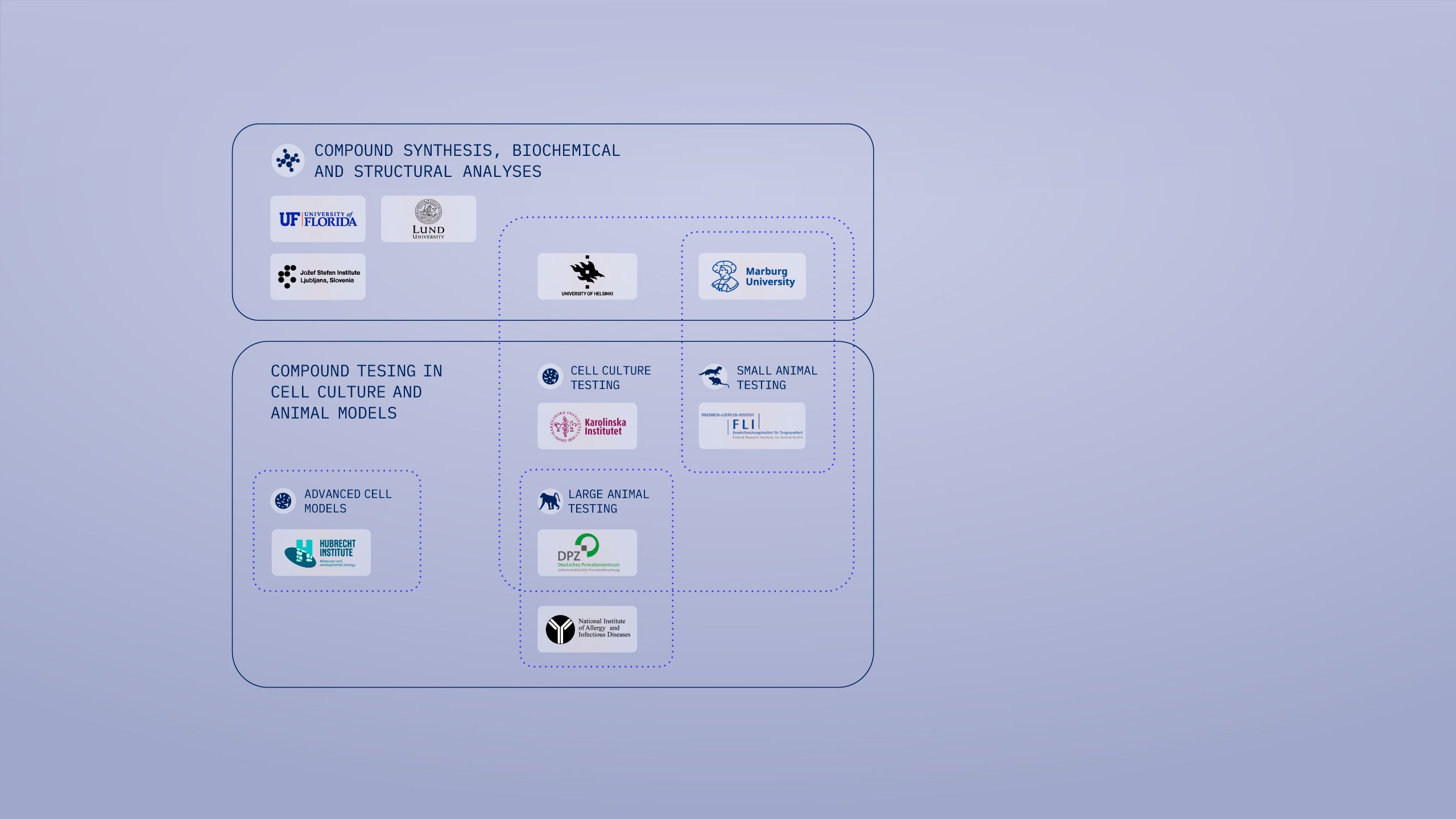
Every discovery comes with responsibility. The scientists behind VIGILANT are developing technology with transparency and accessibility at the forefront.
Get to know the VIGILANT researchers and their academic institutions here:
DPZ - German Primate Center:
The German Primate Center – Leibniz Institute for Primate Research conducts responsible research and provides science-based service on fundamental questions of biology and medicine in humans and other primates.
The German Primate Center has two research groups involved in VIGILANT and serves as the project’s coordination hub.
The Infection Biology Unit, headed by Prof. Stefan Pöhlmann, investigates how emerging viruses interact with host cells, cause disease, and how these processes can be prevented. A focus is on the proteolytic activation of viral glycoproteins and its inhibition, a central research area of VIGILANT.
www.dpz.eu/en/infection-biology
The Platform Infection Models, headed by Dr. Nadine Krüger, focuses on the functional characterization of viruses, the testing of antiviral drugs and vaccines, and the investigation of the immune response following vaccination or infection.
www.dpz.eu/en/infection-models
FLI - Friedrich Loeffler Institute:
The “Laboratory for Biology of Henipa- and Filoviruses” headed by Dr. Sandra Diederich of the Friedrich-Loeffler-Institut (FLI) is involved in the VIGILANT project. FLI as Federal Research Institute for Animal Health addresses farm animal health and welfare. The work aims at the prevention, diagnostics and control of animal diseases, the improvement of animal welfare and animal nutrition as well as the preservation and use of farm animal genetic resources.
HI - Hubrecht Institute:
The Hubrecht Institute of the KNAW participates in VIGILANT through the Organoid Group, led by Prof. Hans Clevers. The main focus of research at the Hubrecht Institute is developmental biology and stem cell research.
JSI - Jozef Stefan Institute:
Jozef Stefan Institute has one lab involved in VIGILANT – the Structural Biology lab, headed by Prof. Dušan Turk, PhD. JSI conducts research on biomedically relevant topics addressing structure function relationships of molecules originating from humans, bacteria, and viruses.
KI - Karolinska Institute:
Karolinska Institute has one lab involved in the VIGILANT project. The Alphavirus research lab, headed by Prof Gerald McInerney, conducts research on cell biology of alphavirus infection, particularly on chikungunya and Semliki Forest viruses.
LU - Lund University:
Lund University has one research infrastructure involved in VIGILANT – the Lund Protein Production Platform, headed by Dr. Wolfgang Knecht. LP3 is a LU research infrastructure for protein production, characterization, crystallization and structure determination.
NIAID - National Institute of Allergy and Infectious Diseases:
The National Institute of Allergy and Infectious Diseases (NIAID) within the US National Institutes of Health is committed to improve public health. Dr. Marzi's Immunobiology & Molecular Virology Section within the Laboratory of Virology is part of NIAID and participates in VIGILANT providing medical countermeasure development and preclinical study expertise.
www.niaid.nih.gov/research/marzi-research-group
UMR - Marburg University:
The Philipps University Marburg has three labs involved in VIGILANT:
the Institute of Virology with focuses on studies on a whole range of highly pathogenic zoonotic and vector-born viruses, including Ebola virus, Marburg virus and Nipah virus. The institute operates the only university BSL4 laboratory in Germany.
VIGILANT PI Dr. Alexandra Kupke is head of the BSL4 Animal Facility.
https://www.uni-marburg.de/en/fb20/departments/ciii/virology/research/translational-infection-research/animal-experimental-studies-in-the-bsl-4-high-containment-laboratory
The research of Prof. Dr. Eva Böttcher-Friebertshäuser focuses on “Viral glycoprotein cleavage by host cell proteases”.
https://www.uni-marburg.de/de/fb20/bereiche/ziei/virologie/forschung/arbeitsgruppe-eva-friebertshaeuser
Prof. Dr. Torsten Steinmetzer from the Institute of Pharmaceutical Chemistry focuses on the development, synthesis and characterization of protease inhibitors.
https://www.uni-marburg.de/de/fb16/ipc/ag-steinmetzer
UF - University of Florida:
The Center for Natural Products, Drug Discovery and Development (CNPD3) at the University of Florida is directed by Prof. Hendrik Luesch. A major goal of the CNPD3 is to fully exploit the biosynthetic and therapeutic potential of untapped biodiversity for drug discovery. The center embraces all aspects of natural products research from discovery, biosynthesis and chemical synthesis, screening, and target identification to early-stage drug development. Under the umbrella of VIGILANT, the focus is on marine natural products based broad-spectrum antivirals.
https://cnpd3.pharmacy.ufl.edu/
UH - University of Helsinki:
The group of Ville Paavilainen contributes to VIGILANT consortium at University of Helsinki. University of Helsinki is a multidisciplinary research University across various disciplines. The Paavilainen group studies how inhibitors of protein secretion pathway can be harnessed as novel antiviral inhibitors.
https://www.helsinki.fi/en/researchgroups/proteostasis-and-chemical-biology
The next pandemic will come, but how ready we are is up to us. Projects like VIGILANT represent a shift from reaction to readiness, from crisis to prevention. It’s a story of science, cooperation, providing hope that future challenges can be anticipated and overcome.
IMPRESSUM
Deutsches Primatenzentrum GmbH – Leibniz-Institut für Primatenforschung
Kellnerweg 4, 37077 Göttingen
Telefon: 0551–3851–0
E-Mail: info@dpz.eu
www.dpz.eu
Vertretungsberechtigt: Prof. Dr. Stefan Treue, Dr. Katharina Peters
Handelsregister: AG Göttingen, HRB 933
USt-IdNr.: DE115314015
Verantwortlich nach § 18 Abs. 2 MStV:
Dr. Susanne Diederich (Anschrift s.o.)
Konzeption, Design, Bild und Grafik:
Sapera Studios GmbH
Kastanienallee 10, 10435 Berlin
Telefon: +49 (0)30 44324166
E-Mail: hello@sapera-studios.de
This work was funded by the European Commission [Horizon Europe, VIGILANT (101041799)]


 Built with Shorthand